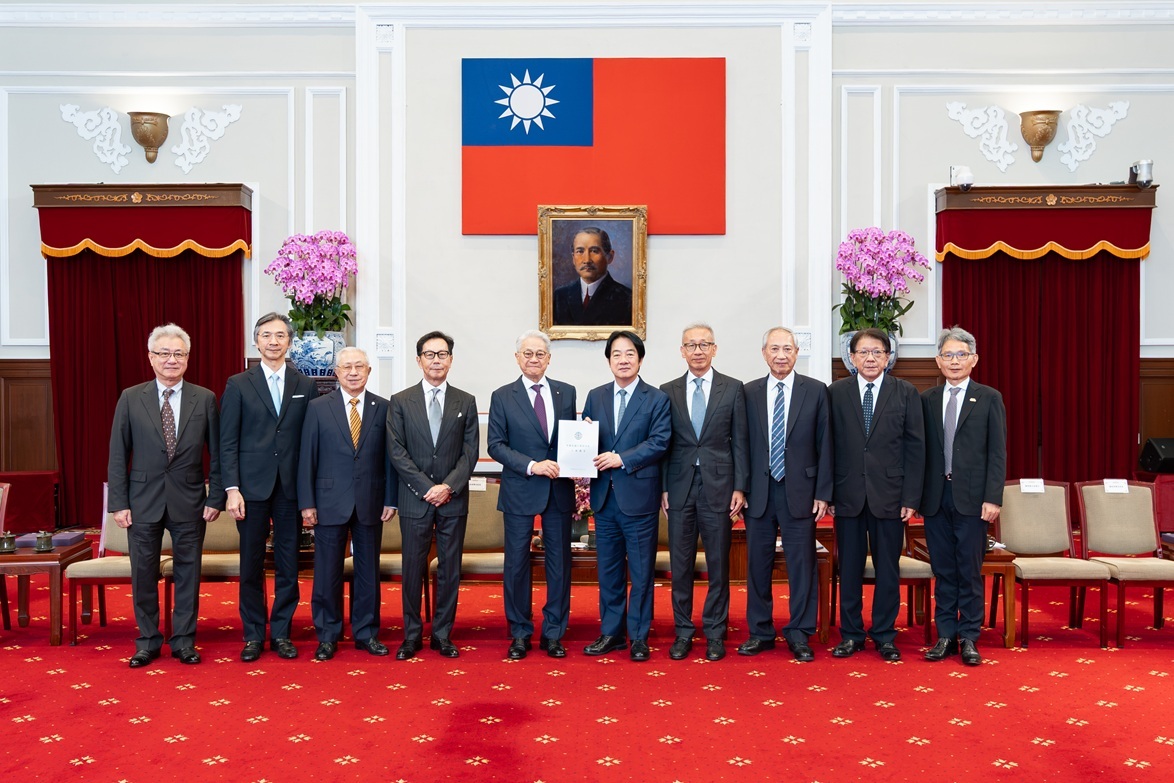
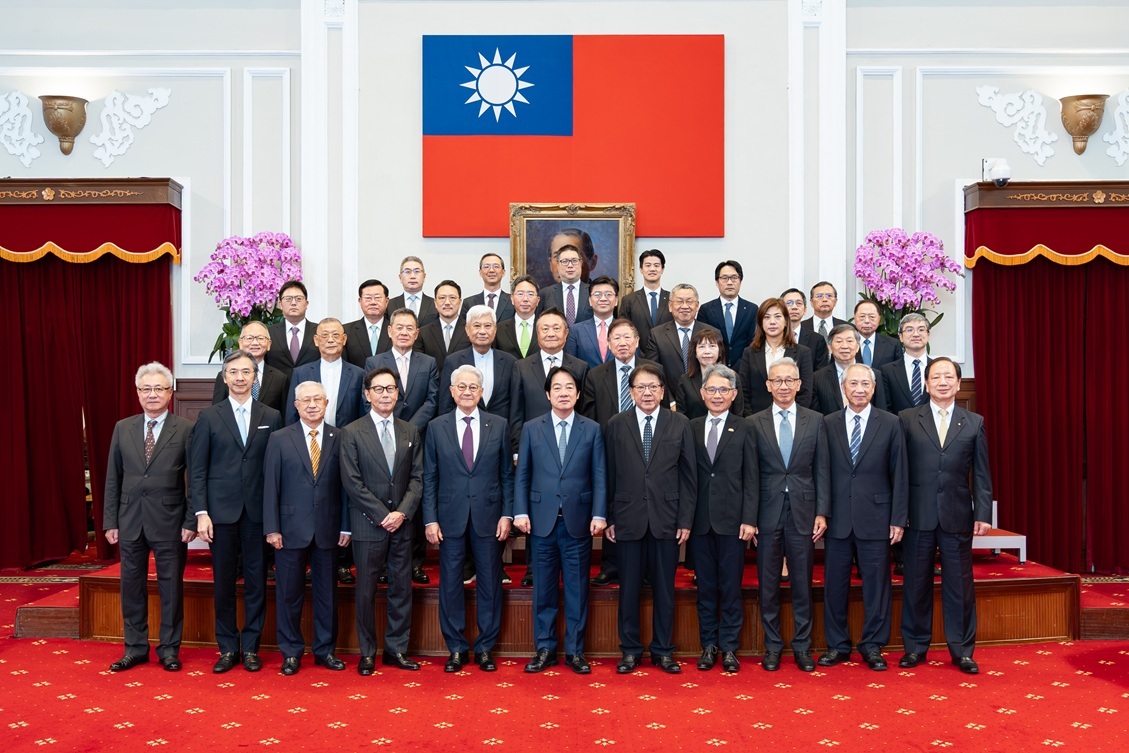
27th Board of Directors and Supervisors of CNAIC Visits President Lai at the Presidential Office
2026/08/31
On the morning of August 31, Thomas Wu, Chairman of the Chinese National Association of Industry and Commerce, Taiwan (CNAIC), led a 32-member delegation of the 27th Board of Directors and Supervisors to the Presidential Office for an audience with President Lai Ching-te. During the meeting, Chairman Wu personally presented a policy recommendation booklet containing over 10 key proposals—including measures to foster financial development—addressing issues of high concern to the business sector. Pan Men-an, Secretary-General to the President, and Lai Chien-hsin, Administrative Deputy Minister of Economic Affairs, were among the government officials present at the meeting.
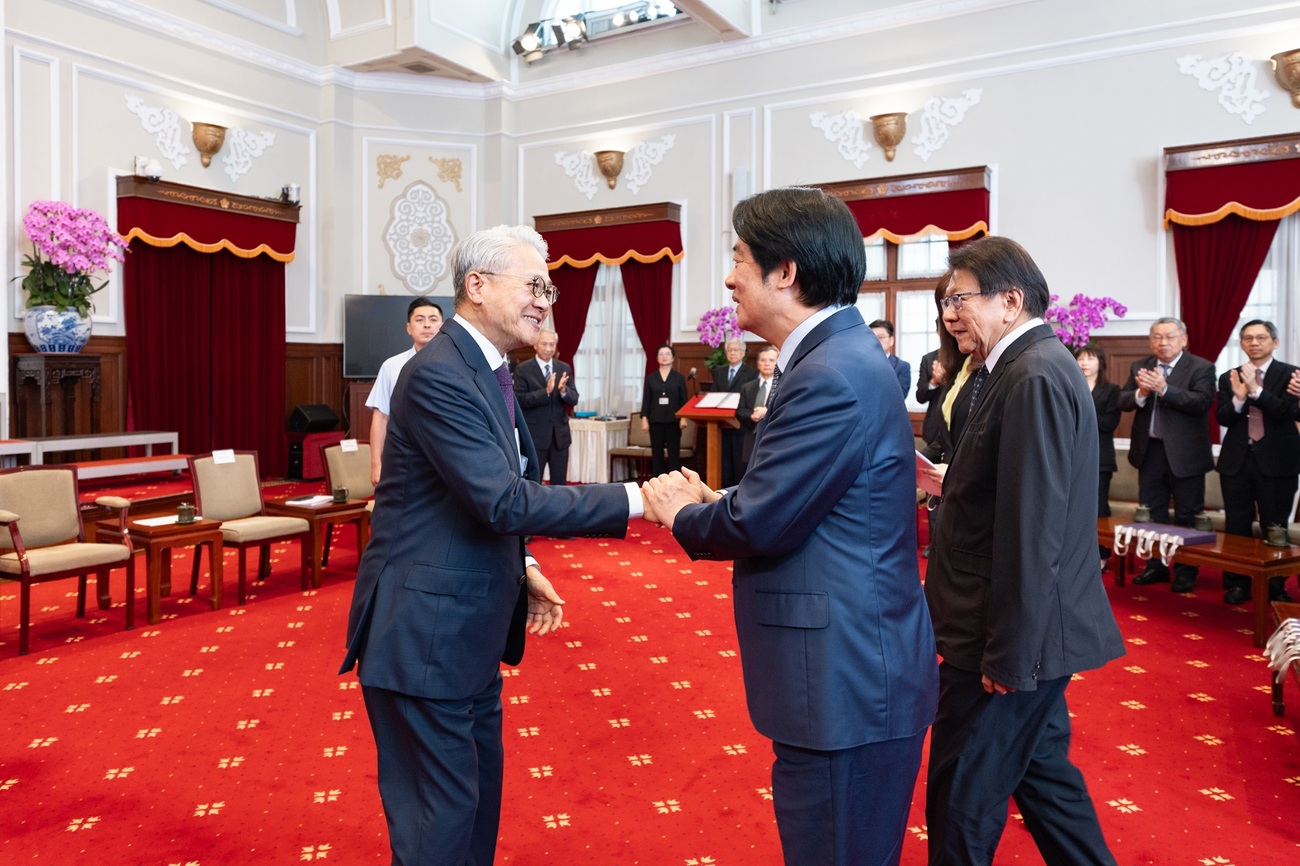
President Lai first commended CNAIC for serving as a vital bridge between businesses and the government, acknowledging its long-standing dedication to advancing national policy and helping Taiwanese enterprises align with international markets. President Lai pointed out that Taiwan is currently at a critical juncture for industrial transformation and upgrading. He emphasized that the government’s responsibility is to build an optimal development environment that enables industries across different sectors and scales to seize opportunities for transformation and growth. To consolidate Taiwan’s leading position in high-tech fields, the government has launched the "New Ten AI-Based Infrastructure Projects." This initiative encompasses four foundational infrastructure projects: talent cultivation, national computing center establishment, AI sovereign data center construction, and power supply stability, while focusing on three critical domains: quantum computing, silicon photonics, and robotics. Specific targets include assisting at least one million micro, small, and medium-sized enterprises (MSMEs) in digital transformation, building an AI innovation and entrepreneurship ecosystem, and integrating AI across all industries to establish Taiwan as a well-rounded AI ecosystem.
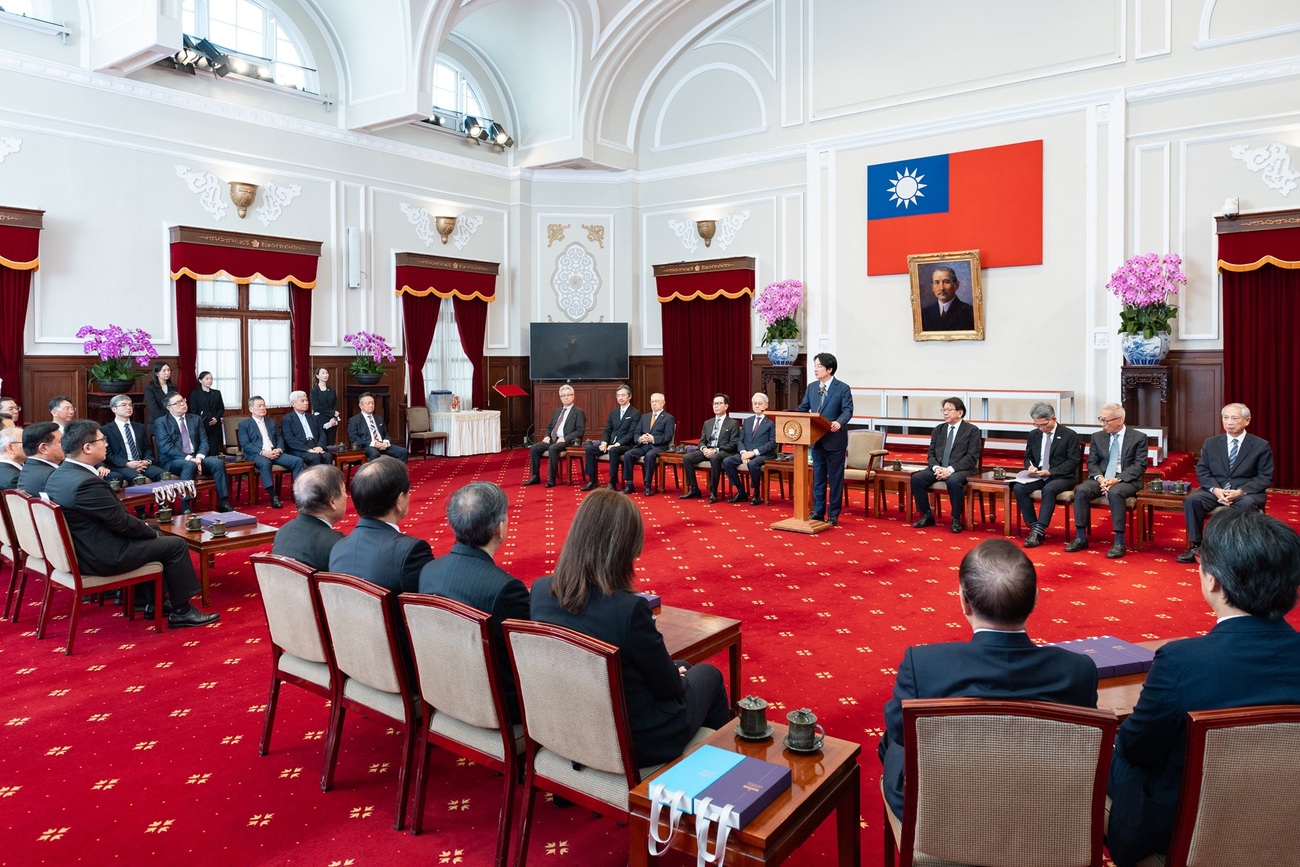
In his opening remarks, Chairman Wu expressed his gratitude to the government team for its full support in helping the business community address tariff challenges from the United States and backing domestic enterprises in building industrial clusters overseas. He emphasized that the business community has also demonstrated concrete actions to support government policy, noting that among the 15 financial institutions contributing to the National Development Council's credit guarantee mechanism for US investment, 13 are CNAIC members. Chairman Wu further pointed out that under President Lai’s leadership, Taiwan’s economic performance has been remarkable. Last year, Taiwan’s economic growth rate led Asia, and in the first half of this year, it reached 14.15%—the strongest performance in half a century. Taiwan has propelled itself into the world's top 20 trillion-dollar economies, while the total market capitalization of the Taiwan Stock Exchange has risen among the top five globally, achieving an annualized gain of 40%. He also expressed hope that the Legislative Yuan will complete the review of the fiscal year 2027 general budget as scheduled. Furthermore, he urged the government to continue advancing US-Taiwan tax negotiations, enhance energy and grid resilience, and accelerate the implementation of "AI Industrialization and Industrial AI Integration" to effectively narrow the economic K-shaped growth gap.
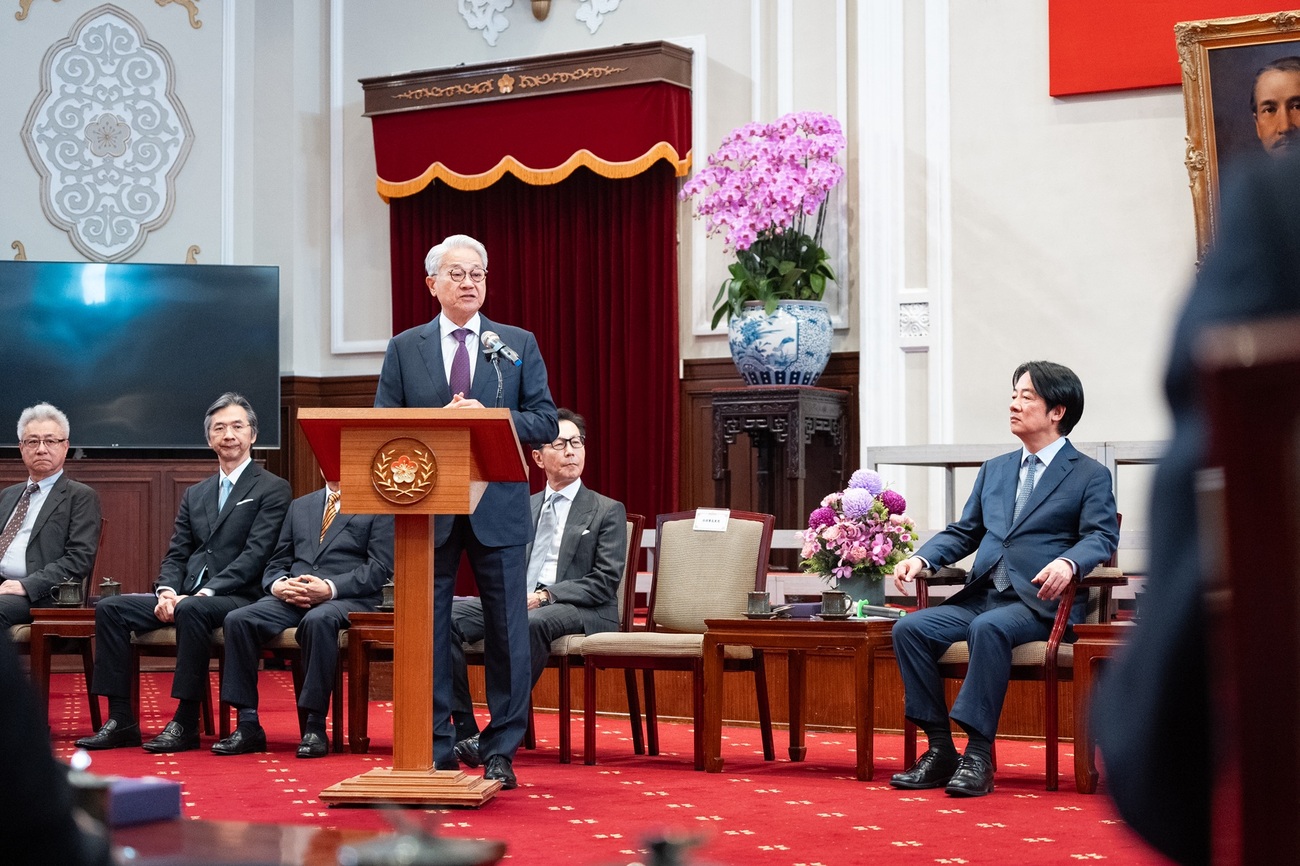
Chairman Wu concluded by stating that CNAIC will continue to uphold its founding mission, align with national economic development plans, and deepen communication and cooperation with the government. CNAIC aims to comprehensively expand Taiwan’s international competitiveness and assist the government in realizing the vision of a "Sun-Never-Sets Economic Nation."
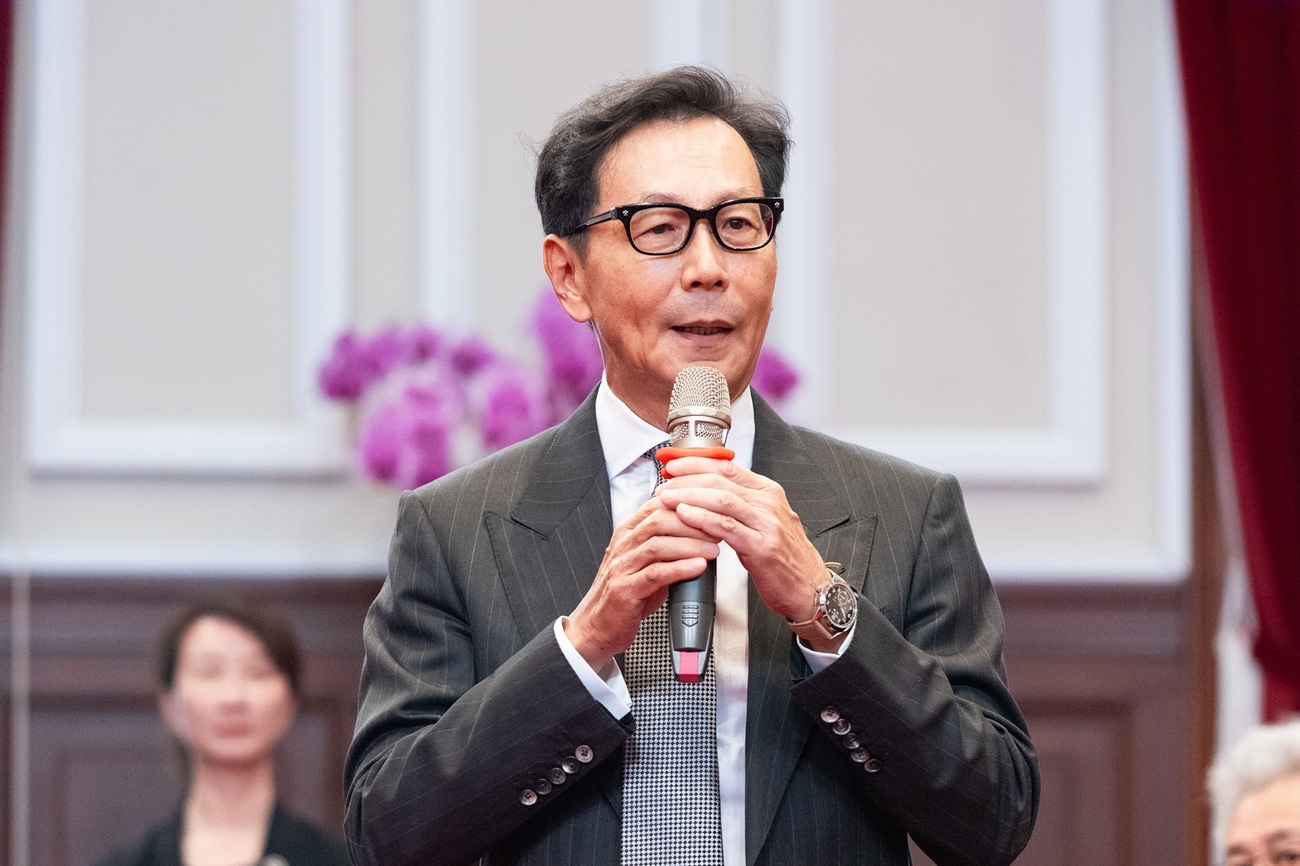
During the meeting, attending directors and supervisors actively offered recommendations on core industrial concerns. These included improving the financial structure of labor and health insurance amid fiscal adequacy, boosting the adoption rate of electric vehicles through policy incentives, bolstering vocational education while actively recruiting overseas talent, promoting the recycling and reuse of surplus excavated soil, designating tourism as a key service export sector, and reforming legal education for lawyers in Taiwan. Comprising over 10 written recommendations that cover energy restructuring, taxation, tourism, and cultural/creative industries crucial to business operations, these proposals were compiled into a comprehensive booklet and personally submitted by Chairman Wu to President Lai for reference. President Lai attached great importance to the feedback and promised to direct relevant ministries to study and handle the matters. Representatives in attendance felt the government’s genuine willingness to listen to industry voices and its strong commitment to industrial and commercial development.